Search Engine Optimisation (SEO) isn’t a sprint, it’s more like a marathon. For small and medium-sized businesses (SMBs), understanding the SEO timeline can help set realistic expectations and align your digital strategy with long-term success. So, how long does SEO take? Let’s break it down month by month.
Factors That Influence SEO Timelines
Before diving into the monthly breakdown, it’s important to recognise that several variables can impact how quickly you see results:
- Website history: Established sites with existing authority often see quicker improvements than brand-new domains.
- Competition level: Industries with high competition require more time and effort to outrank rivals.
- Resources available: The quality and quantity of your SEO investment, content creation, backlink outreach, and technical fixes—directly affect outcomes.
- Algorithm updates: Search engines constantly evolve, which can unexpectedly influence rankings.
- Current website condition: Sites starting with major issues or lacking foundational SEO elements might need more time to gain traction.
- Scope of SEO efforts: According to WebFX, sites investing in ongoing SEO work across technical, content, and off-site areas are more likely to see consistent gains compared to one-time or sporadic optimisations.
Month 1: Research & Planning
In the first month, foundational work is key. This includes:
- Website audit: Identifying technical issues, content gaps, and backlink opportunities.
- Keyword research: Discovering what your audience is searching for.
- Competitor analysis: Benchmarking against similar businesses.
- Strategy development: Creating a roadmap for on-page and off-page SEO.
Don’t expect visible results yet. The focus here is setting the stage.
Month 2: Technical Fixes & On-Page Optimisation
With insights from the first month, implementation begins:
- Fixing technical issues: Improving site speed, mobile usability, and indexing.
- On-page SEO: Optimising meta tags, headers, internal links, and keyword usage.
- Content planning: Mapping out new blog posts, landing pages, or product content.
Some minor ranking movements might happen, but significant visibility improvements are still ahead.
Month 3: Content Creation & Link Building Begins
This is when you start producing:
- High-quality content: Blogs, guides, and infographics targeting your keywords.
- Initial outreach: Building relationships for backlinks and mentions.
- Local SEO enhancements: Optimising Google Business Profile, citations, and reviews.
You might see an uptick in impressions and clicks for long-tail keywords.
Month 4: Authority Building & Optimisation
By now, you’re building momentum:
- Ongoing content: Publishing regularly and optimising existing content.
- Link building: Guest posts, digital PR, and partnerships to earn quality backlinks.
- User experience (UX): Enhancing layout, CTA placement, and mobile design.
Traffic may start to increase, and you could notice better keyword rankings for targeted terms.
Month 5: Keyword Growth & Conversion Focus
SEO efforts begin to compound:
- Keyword expansion: Targeting secondary and semantic keywords.
- Conversion rate optimisation (CRO): Tweaking pages to turn visitors into leads.
- Reputation management: Encouraging reviews and monitoring brand mentions.
At this point, you should see measurable improvements in traffic, leads, and possibly sales.
Month 6 and Beyond: Scaling & Sustaining Results
From month six onward, Search Engine Optimisation transforms into a cycle of optimisation and growth:
- Scaling content: Doubling down on what works.
- Competitive analysis: Staying ahead of industry trends and algorithm changes.
- Performance reviews: Adjusting strategy based on analytics.
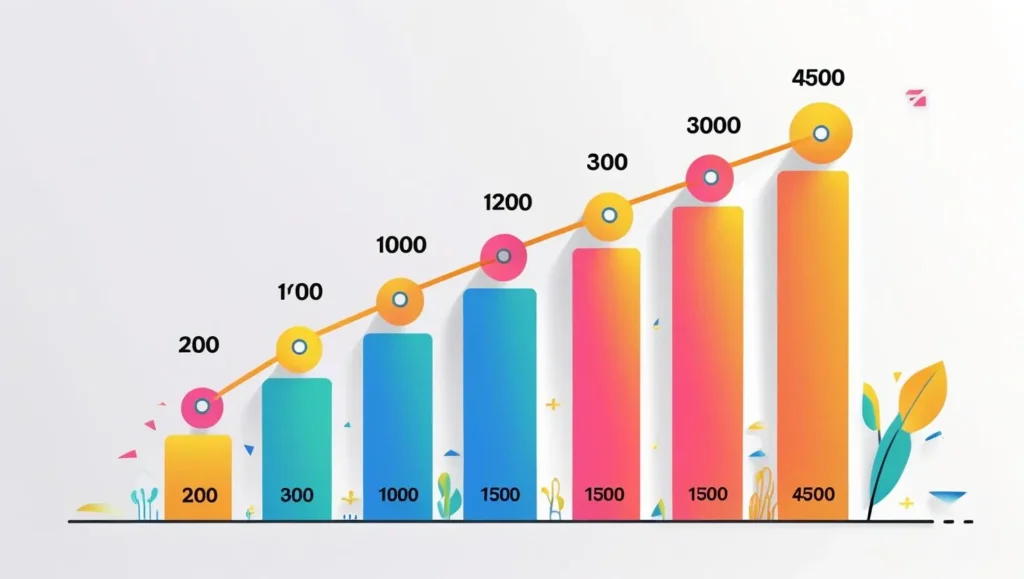
Most businesses begin seeing strong ROI between 6 to 12 months, depending on industry competition and effort consistency. In some cases, consistent improvements may extend over 12 months, especially in highly competitive verticals or for websites starting from scratch.
Final Thoughts
SEO isn’t a quick fix, It’s an investment in your business’s digital future. By understanding what to expect each month and accounting for key influencing factors, SMBs can stay the course and realise sustained, long-term success online.
If you’re ready to commit to growing your organic presence, contact us now and give your SEO strategy the time it truly needs to flourish.